Renovate Builders (renovatebuilders.com) is a established company in the ADU construction space. The company focuses on creating and delivering accessory dwelling units across the United States. Their background is especially strong in California, with notable experience in Los Angeles.
See Accessory Dwelling Unit Builders in Bellevue
Renovate Builders provides full-service custom ADU construction services. These services include site evaluation, architectural design, and obtaining necessary permits. They also handle engineering coordination, ensuring compliance with Title 24 energy standards. Their work continues through construction, inspections, and final project handover.
As seasoned accessory dwelling unit builders, Renovate Builders handles various projects. Their portfolio includes granny flats, detached ADU construction, garage conversions, and prefab or modular ADU installations. Their knowledge base covers many different project types and client goals.
Their firm delivers transparent estimates and coordinated design-build services. They offer tailored solutions for homeowners, investors, and multigenerational families. Their focus is on increasing functional space and supporting income-producing opportunities.
By choosing Renovate Builders, clients can expect several benefits. Those advantages include increased property value and steady rental revenue. The company also offers flexible space for family or home offices. They also improve long-term efficiency through thoughtful upgrades delivered by their specialist team.
Why Homeowners Choose Custom ADU Construction For Their Property
Turning unused yard or garage space into a valuable asset can be a major upgrade. Custom ADU construction allows for tailored layouts and finishes that align with your lifestyle and the local market. The right ADU contractor or ADU construction company can turn your ideas into functional, rentable, or multigenerational spaces.
Advantages for homeowners and investors
Homeowners enjoy expanded living areas and flexible spaces for guests or relatives. For investors, the appeal includes on-site rental income and passive revenue, enhancing cash flow. Accessory dwelling unit builders can create everything from efficient studio layouts to multi-bedroom units, serving different budgets.
The way an ADU boosts value and income potential
Legal, well-designed ADUs frequently add to a property’s overall appraisal. Turning unused space into a compliant rental unit can create recurring income. Thoughtful floor plans and finishes boost rentability and return on investment.
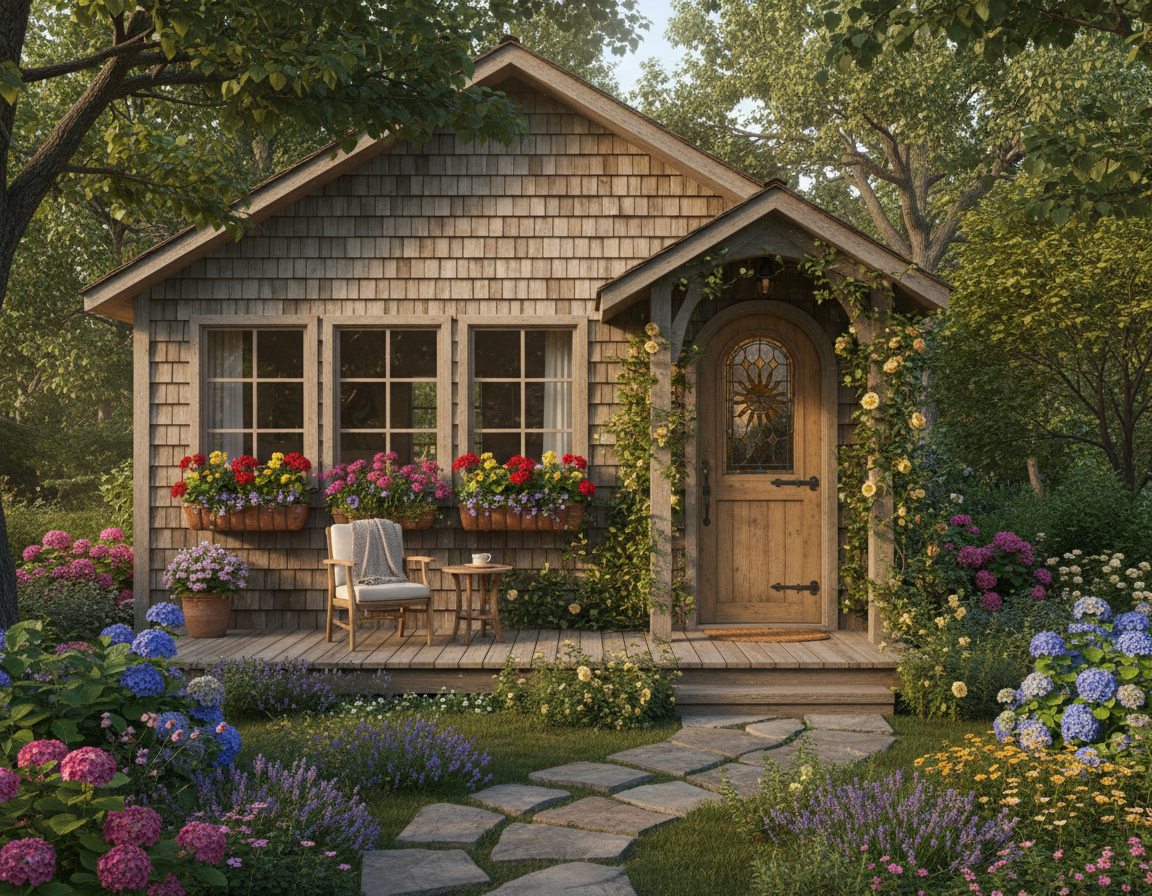
Tailored solutions for multigenerational living, home offices, and short-term rentals
Custom granny flat construction may feature accessible design for aging-in-place, dedicated home-office nooks, and durable materials for short-term guests. A plan shaped by accessory dwelling unit specialists helps the unit serve household goals while remaining attractive in the market.
Renovate Builders’ process for personalized ADU projects
Renovate Builders uses a transparent process that begins with a site visit and clearly defined scopes. Their designers and managers use collaborative planning, 3D models, and permit oversight to keep surprises to a minimum. As both an ADU construction company and building adus specialist, they emphasize transparent pricing and strong coordination with the chosen ADU contractor so unexpected costs are less likely.
| Need | What Custom ADU Construction Provides | Value And Use Impact |
|---|---|---|
| Multigenerational housing | A private bedroom, accessible bathroom, and separate entrance | Improves family cohesion and long-term resale appeal |
| Remote work space | A quieter workspace, internet wiring, and sound control | Makes remote work easier and adds practical daily use |
| Vacation or short-stay rental | Durable materials, efficient HVAC, and smart locks | Stronger occupancy potential and better guest feedback |
| Ongoing rental revenue | Utility separation, a smart layout, and permit-ready planning | Supports steady income and stronger appraised value |
| Lower-complexity upgrade | Garage conversion paths or prefab ADU options | Reduced upfront cost and quicker completion |
Planning And Design: Making Your Custom ADU Construction Vision Real
Effective planning transforms an idea into a feasible plan. Detailed site analysis, design review, and budget and code discipline all help guide the project forward. Renovate Builders and experienced accessory dwelling unit builders use proven methods to evaluate feasibility, shape layouts, and select systems that fit homeowner goals.
Site review and feasibility
An on-site evaluation measures setbacks, slopes, and current utility conditions. For garage conversions, inspectors look at foundation conditions and confirm whether driveways can accommodate construction equipment. This initial work uncovers constraints that impact permit requirements, costs, and whether detached ADU construction, an attached unit, or a garage conversion is most suitable.
The collaborative design process
The in-house design team creates floor plans, elevations, and 3D visuals to illustrate proportion and movement. Clients review each updated model so they can refine the scope, finishes, and practical needs. This process ensures constructability and permitting are central, while homeowners can influence the final details.
Adapting designs for budget, style, and codes
The design is shaped around the budget through finish and system selections that balance price and long-term performance. Teams also confirm compliance with local height, lot coverage, and energy rules, including Title 24. Using this approach, accessory dwelling unit specialists can provide visually appealing, compliant results while reducing unexpected expenses.
Common design types and layout paths
Granny flats and custom granny flat construction provide compact, durable living spaces with minimal site work. Backyard cottages and attached ADUs are often a good fit for tighter lots with shorter utility runs. Prefab and modular solutions can speed up construction, with prefab ADU installers managing offsite module work and on-site assembly. JADUs can transform a portion of the main home with lower costs and potentially quicker permit timelines.
How to choose the right partner
An ADU construction company or accessory dwelling unit builders offering design-build services can simplify the process. They manage site work, engineering, permits, and construction, ensuring a smooth transition from design to completion. Partnering with experienced teams helps control timelines, budgets, and code compliance across different ADU types.
Permits, Zoning, And Regulatory Steps In ADU Construction
For accessory dwelling unit projects in Los Angeles and throughout California, permits and zoning are essential. Understanding required approvals early can help prevent delays and added costs. Projects tend to stay on track when teams use organized planning, complete documentation, and a thoughtful review strategy.
The permitting process begins with plan submission and moves through multiple review stages. Required steps commonly include engineering approvals, Title 24 compliance review, utility connection approvals, and formal inspections. The time it takes varies by location and project complexity, making a well-organized permit process essential.
Common zoning rules address setbacks, maximum height, lot coverage, and parking. Historic-area projects can involve added review requirements. Experienced ADU specialists often study local rules early, recommend compliant solutions, and investigate variance or conditional-use routes when appropriate.
Good permit packages usually contain full plan sets, structural calculations, and energy compliance paperwork. Title 24 files and load calculations should be submitted early. Having utility plans for water, sewer, and power helps avoid engineering requests and plan check failures.
The following is a basic workflow that many builders follow to make reviews smoother.
- Pre-submittal code review and site analysis
- Complete plan set with architectural and structural sheets
- Title 24 energy compliance documentation
- Engineering reports along with utility connection plans
- Municipal submission, plan-check replies, and resubmittals
- Inspection scheduling and final sign-off
Working with an experienced ADU permit expediter or construction company often reduces friction during plan check. They work with engineers, respond to comments, and manage inspection schedules. That coordination helps prevent projects from stalling in the city review queue.
Renovate Builders includes permit expediting within its ADU services as part of a design-build model. The company handles document preparation, municipal submission, plan-check responses, and inspection scheduling. Clients receive regular updates to avoid long waits during municipal reviews.
Working with an ADU contractor who understands Title 24 and city procedures makes project timelines more predictable. Experienced specialists help homeowners move from concept to occupancy with fewer surprises.
ADU Construction Costs And Financing Considerations
An accessory dwelling unit project starts with clear budgets and practical financial planning. Knowing typical costs helps homeowners and investors set realistic expectations before starting the design process.
Common cost ranges
In many cases, detached ADUs cost roughly $175,000 to $400,000+, depending on the project. Attached units usually range from $100,000 to $250,000. For garage conversions, costs commonly range from about $80,000 to $150,000. Those numbers vary according to size, materials, site conditions, and finish selections.
Main factors that drive cost
Sewer, water, and electrical utility connections can materially raise costs. Site work, such as grading and retaining walls, also adds to the expense. Structural engineering and foundation work are more critical for detached ADUs than for simple conversions.
High-end finishes, like luxury kitchens and premium flooring, can drive costs up. Plumbing reroutes, electrical changes, HVAC improvements, and solar integration all add to the final price.
Budgeting strategies and clear estimates
Begin with clear allowances and clearly stated inclusions and exclusions in the first estimates. As design decisions become firmer, a seasoned ADU construction company should tighten the numbers to minimize unexpected change orders.
During design, Renovate Builders and similar accessory dwelling unit builders usually advise checking costs in phases. That method helps produce transparent estimates and makes trade-offs easier to manage once construction begins.
Common financing options and ROI considerations
Typical financing options include home equity loans, cash-out refinancing, construction loans, and ADU-focused lending products. Owners should coordinate permit timing with their lender so loan draws line up with project milestones.
For rental-use or family-use ADUs, conservative rent projections are usually the safer way to estimate ROI. During construction, the primary property should be protected with proper insurance and solid contractor screening.
| Project Type | Typical Cost Range | Main Cost Drivers | Financing Options Often Used |
|---|---|---|---|
| Detached ADU | About $175,000 – $400,000+ | Foundation work, detached utilities, site work, engineering, and finishes | Home equity products, construction loans, and ADU-focused lending |
| Attached unit | About $100,000 – $250,000 | Permits, tie-in work, HVAC changes, and kitchen or bathroom finish choices | Cash-out refinance, home equity line, personal construction loans |
| Converted garage ADU | $80,000 – $150,000 | Insulation, slab or foundation work, plus electrical and plumbing reroutes | Home equity loans, personal loans, and FHA 203(k) in some situations |
A cost framework like this can make it easier to compare quotes from an ADU construction company or review ADU construction services. A clear understanding of costs supports smarter decisions about custom ADU construction and custom granny flat construction. It also makes conversations about ADU financing and projected returns more productive.
The Construction Process And What To Expect From An ADU Contractor
A good ADU project begins with a clear plan showing each step from the first conversation to final completion. A reliable ADU contractor often begins with a discovery call and an on-site design visit. They then provide architectural plans with 3D models. They then move into permit submission and help expedite the review process.
Construction begins with mobilization, followed by phased inspections. The project concludes with a final handover, including warranty and as-built documentation.
Full-service design-build workflow
- Initial consult and site review to confirm feasibility and budget.
- Complete drawings, renderings, and Title 24 compliance documents.
- City permit submission supported by a permit expediter.
- Project mobilization, milestone inspections, final punch-list items, and warranty closeout.
Trades and scope
- Site prep and foundation work or garage conversion ADU builder modifications.
- Structural framing, roofing, window installation, and exterior envelope work.
- Rough plumbing, rough electrical, HVAC installation, insulation, and drywall.
- Finish carpentry, cabinetry, flooring, and final MEP hookups.
Managing quality and project timeline
Each milestone typically includes a scheduled quality check. Progress reports and milestone signoffs keep the owner updated. Project managers coordinate trades to reduce delays and pre-order materials to protect the schedule.
Communication expectations during the project
A capable ADU construction services team will clearly outline when decisions are needed and how the owner stays involved. They explain the difference between allowances and included scope so scope creep is easier to avoid. Change orders should be reviewed quickly so pricing remains transparent.
Common ADU upgrade choices
- Energy-efficient windows, high-performance insulation, and Title 24 measures.
- Solar PV integration plus smart thermostats and locks for modern control.
- Durable finishes for short-term rentals and accessible design features for aging in place.
- Prefab ADU installer choices that may speed up delivery and reduce disruption on site.
Collaborating with accessory dwelling unit specialists ensures compliance with local codes and quality standards. Whether the project uses a garage conversion ADU builder or a prefab ADU installer, clear process management, reliable communication, and disciplined quality control help produce a predictable, professional result.
Closing Perspective
Custom ADU Construction turns unused yards and garages into valuable, income-generating spaces. The process typically begins with a detailed site evaluation and feasibility study. It then moves into a collaborative design phase that can support added property value and more versatile living options. Successful building adus depends on careful design, timely permitting, and diligent construction oversight.
A seasoned ADU construction company like Renovate Builders can make the process much easier to manage. From early site assessment through construction management, Renovate Builders delivers comprehensive ADU construction services. Their design-build approach supports clear estimating and open communication, helping reduce surprises from beginning to end.
A practical first step for homeowners is a site visit paired with a detailed budget-and-goals discussion. The right ADU type matters whether the project is intended for family living, rental use, or office space. Adding energy upgrades and accessible design features can improve long-term value. The next step is to contact Renovate Builders for a consultation or site review. They will offer customized cost guidance and a phased plan for your Custom ADU Construction project.
Related: Design Build Contractor In Bellevue: Cost Transparency And Selections Planning